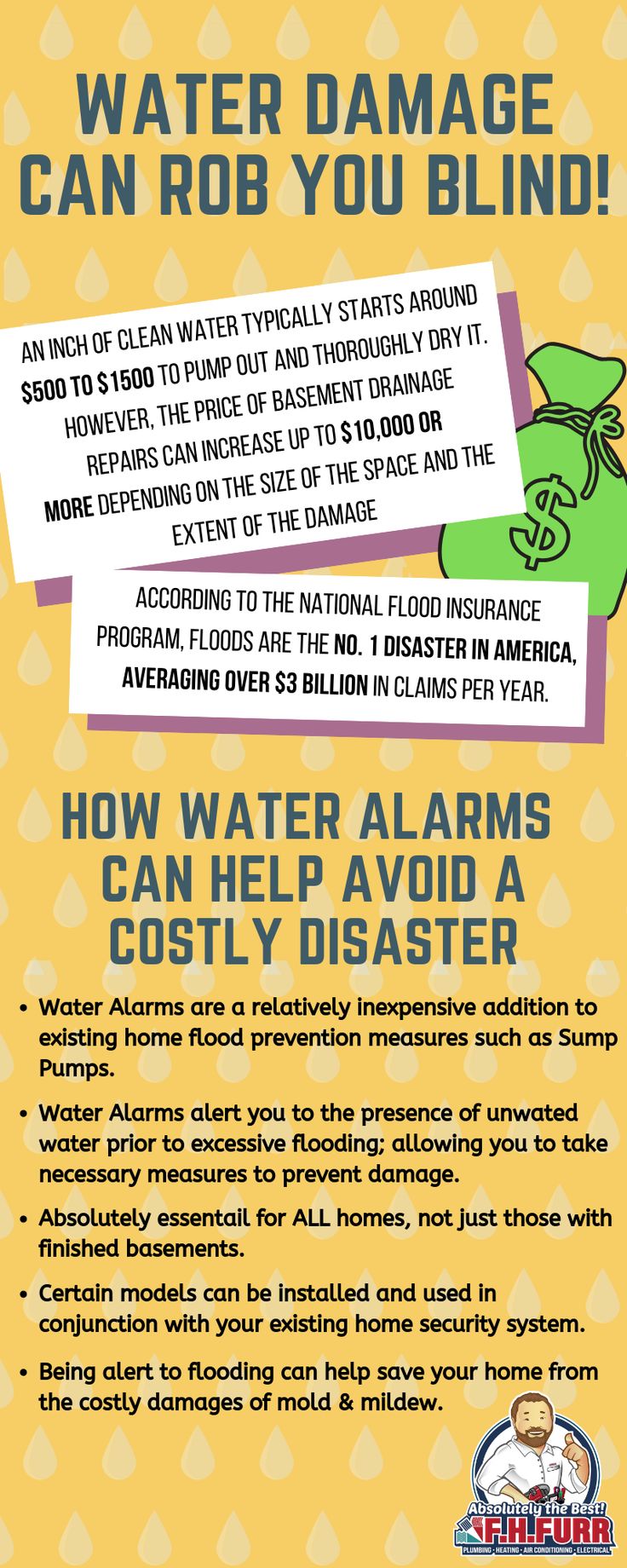
When your home faces flooding damage, quick action is crucial. You require to assess the scenario very carefully and focus on security. Turning off the power and removing standing water are your first steps. Yet that's just the beginning. Recognizing the signs of water damage and knowing exactly how to stop mold and mildew can make all the distinction. What methods can aid you recover your home efficiently and secure it for the future? Let's check out the important actions.
Identify Key Indications of Water Damage
If you presume your home has actually dealt with flood damages, recognizing the secret indications early can save you money and time.
Beginning by checking for water spots on walls, ceilings, or floorings; these often show past or present moisture problems.
Focus on any kind of musty odors, as they can signify mold development.
Check your baseboards and trim for bending or discoloration, which recommends long term exposure to water.
Try to find bubbling or peeling paint, too, as this can indicate water is trapped beneath the surface.
Lastly, check your carpets and floor covering for moisture or mold and mildew; these materials can take in water swiftly.
Tips to Eliminate Water and Dry Your Home
After detecting the indications of water damage, it's time to do something about it and eliminate the water from your home. Initially, guarantee your safety by switching off the electricity in affected locations.
Next, utilize a completely submersible pump or store vacuum to get rid of standing water. Open up windows and doors to enhance air movement, and established fans to assist with drying.
When possible, get rid of rugs and furnishings to prevent further damages. For https://i-want-to-renovate-my-hou65320.theideasblog.com/41454746/fire-damages-restoration-timeline-clarified-from-damage-assessment-to-full-repair , utilize sponges and towels to take in excess wetness.
just click the next website page to inspect surprise locations like behind walls and under cupboards.
Finally, keep track of the moisture levels; a dehumidifier can help quicken the drying out process, guaranteeing your home gets back to normal as promptly as possible.
Stop Mold and Architectural Concerns After Flooding
To prevent mold and mildew and structural issues after flooding, you need to act quickly and successfully. Begin by eliminating standing water within 24 to two days. Use pumps and wet vacs to remove water, then relocate to drying the affected areas.
Open doors and windows to raise air movement, and make use of followers and dehumidifiers to reduced moisture degrees.
Next off, get rid of any kind of saturated products, like carpetings or drywall, to lessen mold growth. Tidy and disinfect surface areas using a combination of water and bleach.
Frequently look for leakages or water damage in your home's framework. Ultimately, keep an eye on wetness levels in the adhering to weeks.
Final thought
Recovering your home after a flooding can be difficult, but by acting swiftly and following these expert suggestions, you can decrease damage and secure your space. Watch out for indicators of water damage, get rid of water and wetness immediately, and take steps to stop mold growth. With fire prevention and routine examinations, you can guard your home versus future flooding. Keep cautious, and your home will be back to typical in no time!